
Dental Pulpectomy in Kolkata: Cost, Procedure, Benefits & Expert Guide
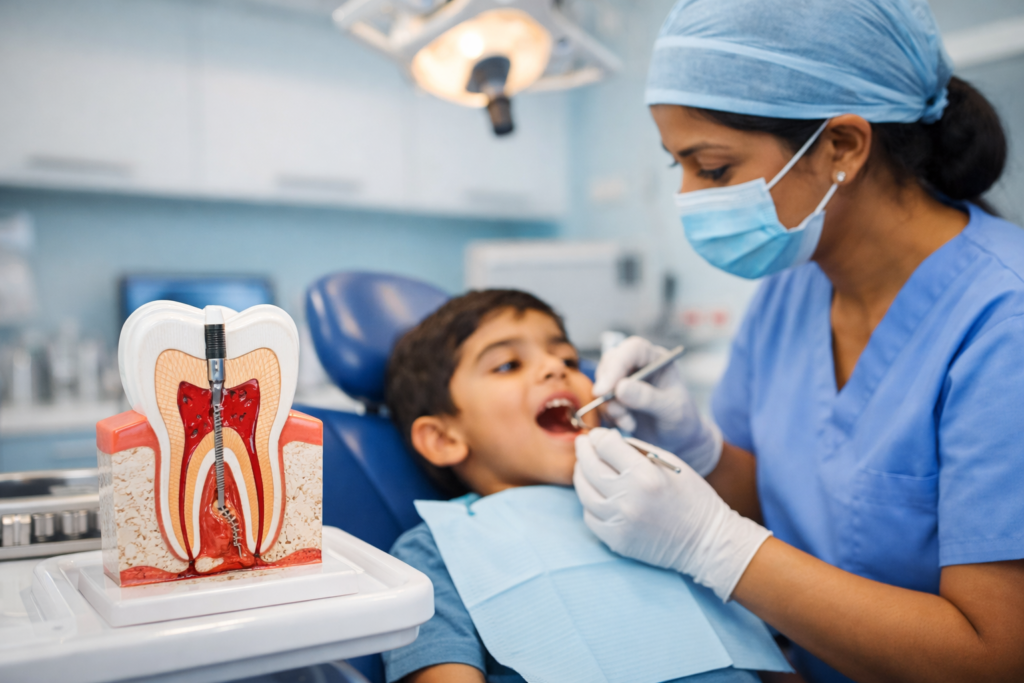
Are you searching for pulpectomy treatment or specifically dental pulpectomy in Kolkata? Whether you’re a concerned parent, an adult with dental pain, or someone exploring treatment options, this guide breaks everything down in a simple, engaging way, without confusing jargon.
In this blog, we’ll unpack what pulpectomy is, why it matters, how it’s done, how it’s different from related treatments like pulpotomy procedure, and what it means if you’re considering this treatment in Kolkata.
What Is a Pulpectomy?
Let’s begin with the basics.
A pulpectomy is a dental procedure in which all infected pulp, the soft tissue inside your tooth that contains nerves and blood vessels, is removed. This includes the pulp from both the crown (visible part of the tooth) and the root canals (hidden deeper inside). Once removed, the canals are cleaned, disinfected, and filled with a medicated material to prevent reinfection.
It’s sometimes called a “baby root canal”, especially in pediatric pulpectomy, because it’s often performed on primary (baby) teeth that are badly infected.
Why does this matter? Because keeping baby teeth healthy ensures proper chewing, correct speech development, and space for permanent teeth later on!
What Is Tooth Pulp & Why Do Infections Happen?
To understand pulpectomy, we need to know what the tooth pulp is.
Your tooth is made up of:
- Enamel– the hard outer layer
- Dentin– the layer beneath the enamel
- Pulp– soft tissue deep inside, full of nerves and blood vessels
- Root– beneath the gum, anchors the tooth
When bacteria from untreated cavities or trauma reach the pulp, they cause inflammation, known as pulpitis, or even a full-blown infection. Typical symptoms include:
- Persistent or throbbing toothache
- Sensitivity to hot or cold foods
- Pain while chewing
- Swelling or pus near the affected tooth
- Fever in severe infections
If left untreated, the infection can spread to adjacent teeth, gums, or even jawbone, making a pulpectomy treatment necessary.
What Exactly Is a Pulpectomy?
In simple terms, a pulpectomy means removing all of the infected pulp tissue from the tooth, including the root canals, and sealing the space with a safe filling that prevents bacteria from returning.
It’s performed most commonly on primary teeth that have:
- Extensive decay
- Irreversible infection reaching the pulp
- Abscess or swelling around the tooth
Unlike other procedures that just remove some of the pulp, a pulpectomy eliminates all pulp tissue, making it a more complete way to manage severe infections.
The Pulpectomy Procedure Step-by-Step
A typical pulpectomy involves:
- Dental examination & X-rays to assess the extent of infection.
- Local anesthesia to numb the area for a painless experience.
- Drilling a small access hole in the tooth to reach the pulp.
- Removing all infected pulp from crown and root canals.
- Cleaning & disinfecting the canals carefully.
- Filling the canals with a biocompatible material.
- Sealing the tooth and often placing a crown for protection.
Modern materials used in pulpectomy, like calcium hydroxide pulpectomy pastes, are designed to be safe and sometimes resorbable in the case of primary teeth. This entire process usually takes about 45-60 minutes per tooth.
Who Needs a Pulpectomy?
You might need a pulpectomy if:
- Deep tooth decay has reached the pulp
- Irreversible pulpitis has set in
- There’s an abscess or infection spreading
- A primary tooth must be preserved until natural shedding
- Pain or swelling is persistent and affecting daily life
However, a pulpectomy might NOT be suitable if:
- The tooth is too damaged to restore
- More than two-thirds of the root is resorbed in baby teeth
- The tooth is excessively mobile
- There are certain medical conditions that complicate treatment
Pulpectomy in Children vs Adults
Pulpectomy is usually associated with kids, but let’s break down how it differs between age groups:
| Aspect | Children | Adults |
|---|---|---|
| Tooth Type | Primary (baby) teeth | Rarely in permanent teeth |
| Primary Goal | Save tooth until it naturally sheds | Best practiced as part of a long-term plan |
| Filling Material | Biodegradable / resorbable | Permanent materials (gutta-percha, etc.) |
| Frequency | Common in pediatric dentistry | Less common; root canals preferred |
In kids, pulpectomy helps preserve space for erupting adult teeth, safeguarding correct alignment and bite.
| Feature | Pulpectomy | Root Canal Treatment (RCT) | Pulpotomy Procedure |
|---|---|---|---|
| Amount of Pulp Removed | 100% of pulp from crown and roots | Complete removal of infected pulp, followed by shaping & sealing of canals | Only infected coronal (upper) pulp removed |
| Tooth Type Commonly Treated | Mostly primary (baby) teeth | Mostly permanent adult teeth | Primarily primary teeth |
| When It’s Needed | When infection has spread to root canals | Severe infection in permanent teeth | Early-stage pulp infection |
| Invasiveness Level | Moderately invasive | More comprehensive and extensive | Less invasive |
| Filling Material Used | Resorbable materials in children | Permanent materials (like gutta-percha) | Medicament placed over the remaining pulp |
| Goal of Treatment | Preserve the infected primary tooth until natural shedding | Save a permanent tooth long-term | Maintain the vitality of the remaining healthy pulp |
| Crown Required? | Often recommended | Almost always recommended | Sometimes recommended |
Pulpotomy procedure is usually a first-line option if the infection hasn’t penetrated deep into the roots, especially in children’s dentistry.
Benefits of Dental Pulpectomy
Let’s explore why this procedure can be a game-changer:
- Pain Relief: Eliminates the source of infection and nerve irritation.
- Saves the Tooth: Helps preserve natural tooth structure.
- Prevents Spread: Stops bacteria from reaching gums or bone.
- Supports Oral Development: Especially crucial in children to prevent misalignment and speech issues.
In children, keeping baby teeth intact supports chewing, speech, and overall dental development, big wins for long-term oral health!
Aftercare & Recovery
After your pulpectomy:
- Use over-the-counter pain relievers if recommended.
- Avoid hard or sticky foods for 24–48 hours.
- Keep brushing and flossing gently around the area.
- Attend scheduled follow-ups for final restoration.
Most patients, adults and children, feel fine the next day and quickly return to daily routines.
Risks & Complications
Like any procedure, pulpectomy carries some risks, though they’re generally low:
- Incomplete pulp removal, if bacteria remain, pain may persist.
- Temporary discomfort, Swelling or soreness for a day or two.
- Reinfection, if sealing isn’t perfect.
- Rare allergic reactions to filling materials.
Cost of Pulpectomy in Kolkata
So, how much does pulpectomy pediatric dentistry cost in Kolkata?
While exact prices vary by clinic, tooth condition, and materials used, general dental procedures like pulpectomy or related pulpectomy procedure in primary teeth typically fall within:
Approx. ₹2,000 – ₹7,000+ per tooth
(Additions like crown placement may increase total cost.)
Costs can differ based on:
- Severity of infection
- Need for X-rays or anesthesia
- Choice of materials and crown systems
- Pediatric or specialized dental expertise
Always ask your dentist for a clear estimate before treatment!
Choosing the Right Dentist for Pulpectomy in Kolkata
Here’s how to pick the best clinic:
- Check credentials & experience — Especially if pediatric care is needed
- Read patient reviews — Insights from other parents or adults
- Look for child-friendly environments — Comfort matters
- Ask about anesthesia options — Especially for kids
- Inquire about advanced techniques — Like digital imaging and biocompatible materials
Choosing the right team can make a huge difference in comfort, success, and long-term dental health.
Ready to take the next step?
Book a consultation with a trusted dental professional in Kolkata today — especially if your child is showing signs of deep tooth decay or ongoing dental pain. Healthy smiles start with informed choices — and now you’re empowered to make them!
Not usually — dentists use local anesthesia to keep you (or your child) comfortable. Most discomfort happens before treatment due to infection, not during it.
They’re related but not identical. A pulpectomy removes all infected pulp, often in primary teeth, while a root canal is a more comprehensive treatment mainly for permanent adult teeth. Both involve removing infected tissue, but their goals and methods differ slightly.
Typically, most people — kids included — feel fine within a day or two of the procedure.

-
 Top 10 Pediatric Dentists in Kolkata for Gentle & Expert Child Dental Care (2026 Guide)
 -
 Latest Trends in Pediatric Dentistry Every Parent Should Know (2026 Guide)
 -
 Dental Tourism in India: Combining World-Class Dental Care with Affordable Treatment
 -
 Your Smile’s Homecoming: The Ultimate Guide for NRI Dental Care in Kolkata
 -
 Dental Pulpectomy in Kolkata: Cost, Procedure, Benefits & Expert Guide